Police Presence and Powers on Music Festival Sites.
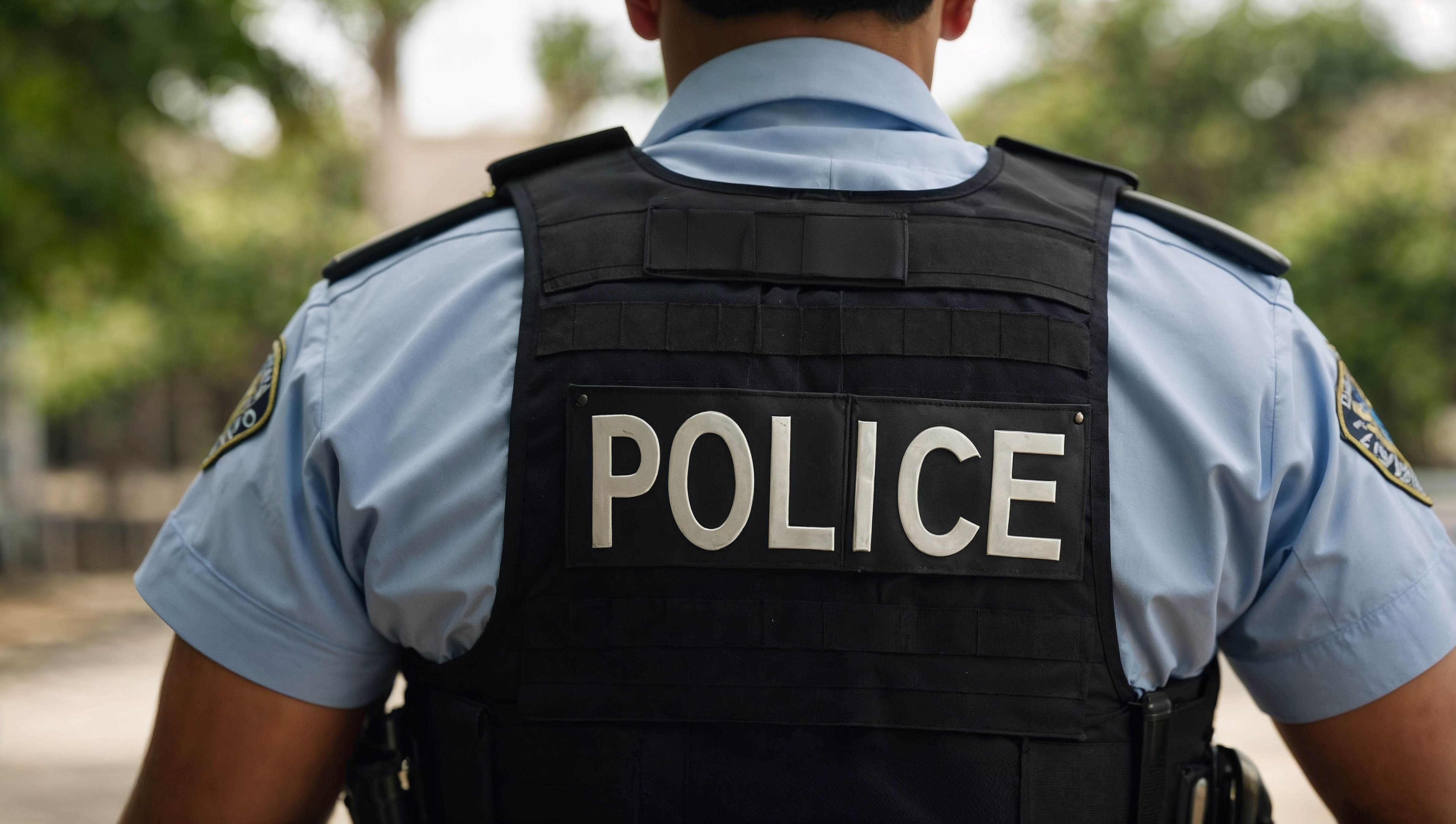
All music festivals irrespective of location will usually have some police presence with the objective of securing public safety and preventing crime. Their presence requires coordination and liaison with festival organisers to ensure that the events run smoothly. How do organisers manage this police presence and what are their powers when on a festival site.
The style and range of policing on a festival site will depend on the location and jurisdiction that the event takes place. Laws and police powers can vary enormously from one jurisdiction to another, so organisers need to plan appropriately. Local police forces will usually work together with organisers to ensure public safety and prevent crime, but duties often extend to traffic management and emergency response procedures too.
Planning and Liaison.
Any outdoor music festival taking place on greenfield site presents various security risks and challenges for organisers. This can include providing secure perimeters and gate entrances as well as managing traffic congestion. With large numbers of festival-goers attending the presence of organised crime, petty theft, assault and drug related offences are common. These criminal activities sometimes go beyond the capabilities of contracted security resources and require a police presence to make arrests, for example. Organisers and local police should be working together early in the planning phase to identify risks and agree on how they should be managed. Topics covered typically include expected attendance, operating hours, transport and parking arrangements, crime history, festival-goer profiles, emergency procedures, command and control arrangements, and expected issues based on police intelligence. Discussions can help to reach agreements on the numbers of police officers needed along with their assigned duties split between them and the organisers own security resources. The police may have a mixture of uniformed officers, who act as a visible deterrent, along with plain clothes officers for specific criminal investigations. Depending on the jurisdiction, the use of police resources may be subject to charges which will need to be funded by the organisers.
Coordination and Assigning Duties.
It is essential that the police presence on a festival site is integrated with the organisers own security arrangements to avoid unnecessary duplication of duties. The planning phase should have identified how teams operate together with clearly defined communication and escalation procedures so that everyone works with shared situational awareness. Organisers own teams will usually manage gate security, perimeter fencing and crowd control, but they may also be on the front line when handling reported crimes. The police will only usually get involved if a law has been broken, and an incident requires arrest and investigation for future prosecution. In these situations, the organisers team's responsibility is to report and secure evidence where appropriate and to hand over further action to the police. Traffic control on the festival site is usually managed by the organisers teams, but public roads will usually fall under the responsibility of the police who have the power to close roads and redirect traffic.
Enforcement and Crime Prevention.
Whilst many events proceed without any serious incidents, often due to a visible police presence, they do get involved with prevention and investigation of theft, assault and drug related offences. Organisers will always post advice to festival-goers that the event has a zero-tolerance policy towards drug possession and use on the festival site. For those found in possession, different police forces can have very different attitudes to how this is handled. On some occasions organisers provide amnesty bins at entrance gates, and anyone found in possession of small qualities of lower classified narcotics may simply receive a warning along with confiscation. Other police forces treat any drug related offences, including possession and distribution, very seriously. In these cases, police may use sniffer dogs, and anyone caught will be arrested and prosecuted. It is essential that organisers and police have an understanding of how such common occurrences will be handled. The powers of police will be determined by the jurisdiction in which they are operating and may be limited to stop and search, seizing evidence, making arrests, dispersing crowds, and investigation of suspected offences.
Operational Control.
During the live event dates, the organisers and local police need to have open communication channels to ensure that any incidents are reported in real time. Organisers will always have a central command and control facility on site to manage production, crowd control, security, and emergency evacuations, for example. An open channel to the police ensures that they are constantly appraised of any developing situation that may require their involvement. Strict operating and escalation procedures agreed prior to the event ensures that responsibility for attending any incident is clearly defined. Common incidents managed by the central command centre that will require a police presence can include assaults, sexual offences, serious threats, organised thefts, suspected terrorism and major disorders, for example.
For festival organisers planning their next event using a software management platform like Festival Pro gives them all the functionality they need manage every aspect of their event logistics. The guys who are responsible for this software have been in the front line of event management for many years and the features are built from that experience and are performance artists themselves. The Festival Pro platform is easy to use and has comprehensive features with specific modules for managing artists, contractors, venues/stages, vendors, volunteers, sponsors, guestlists, ticketing, site planning, cashless payments and contactless ordering.
Image by geralt via Pixaby
<< Back to articles
Contact us
Get in touch to discuss your requirements.
US: +1 424 485 0220 (USA)
UK: +44 207 060 2666 (United Kingdom)
AU: +61 (2) 8357 0793 (Australia)
NZ: +64 (0)9887 8005 (New Zealand)